Women’s empowerment in developing countries is a critical pursuit that involves addressing the unique challenges women face in these regions and implementing initiatives that foster economic, social, and health empowerment. The journey towards women’s empowerment is multifaceted, encompassing issues ranging from gender-based violence to limited access to education and healthcare. Through this blog, we will examine the challenges women encounter in developing countries and explore some of the transformative initiatives that are making a significant impact.
Challenges Faced by Women in Developing Countries
Gender-Based Violence: Many women in developing countries are subjected to various forms of gender-based violence, including domestic violence, sexual harassment, and human trafficking. These forms of violence threaten women’s physical and mental well-being and inhibit their ability to participate fully in society.
Limited Access to Education: Inadequate access to quality education is a significant barrier for women in many developing countries. Cultural norms, economic constraints, and early marriage often result in girls dropping out of school or never enrolling in the first place, limiting their opportunities for personal and economic growth.
Healthcare Disparities: Women’s health in developing countries is often compromised due to inadequate healthcare infrastructure, lack of access to reproductive health services, and higher maternal mortality rates. This affects their well-being and their ability to contribute meaningfully to their communities.
Economic Inequality: Women in developing countries frequently face economic inequality, including limited access to credit, job opportunities, and ownership of assets. This financial marginalization restricts their ability to achieve economic independence and hampers overall development.
Lack of Decision-Making Power: Societal norms and cultural traditions often limit women’s participation in decision-making processes within their families and broader community contexts. This lack of agency affects their ability to shape policies that impact their lives.
Initiatives Driving Women’s Empowerment
Microfinance Programs: Microfinance initiatives provide women access to small loans and financial training, enabling them to start and expand businesses. These programs not only boost economic independence but also contribute to community development.
Girls’ Education Campaigns: Organizations and governments are working to improve access to education for girls. Scholarships, safe transportation, and awareness campaigns are helping to increase enrollment and retention rates.
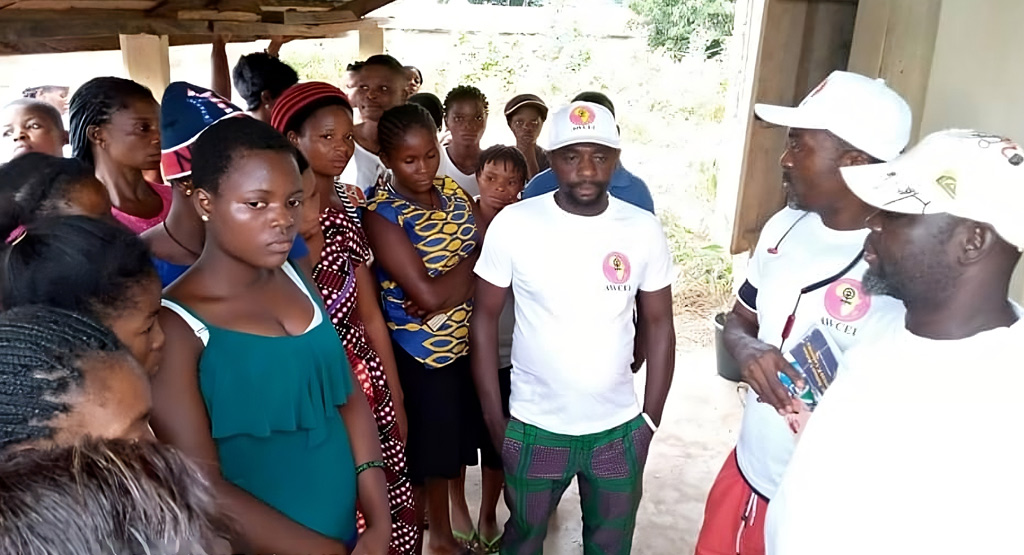
Healthcare Initiatives: NGOs like AWCEI e.V and governments are collaborating to improve women’s access to quality healthcare services. Initiatives focus on maternal and reproductive health and addressing prevalent diseases that disproportionately affect women.
Legal Reforms and Advocacy: Advocacy groups are pushing for legal reforms that protect women’s rights, including laws against gender-based violence and discrimination. These reforms are essential for changing societal attitudes and promoting gender equality.
Skills Training and Entrepreneurship: Training programs that equip women with vocational skills and entrepreneurship training empower them to generate income and become financially self-sufficient.
Women’s Leadership Programs: Leadership development programs nurture women’s leadership skills and help them take on decision-making roles in various spheres, from local governance to entrepreneurship.
Community Mobilization: Grassroots initiatives that involve communities in promoting gender equality are proving effective in challenging traditional norms and behaviors that perpetuate gender inequality.
Conclusion
Empowering women in developing countries is an ongoing endeavor that requires collaborative efforts from governments, NGOs, communities, and individuals. By addressing the challenges women face in these regions and implementing initiatives that promote economic, social, and health empowerment, we can create a more equitable world where women can reach their full potential. As we celebrate the progress made so far, let us continue to support and advocate for initiatives that uplift women, break down barriers, and pave the way for a brighter future for all.